
How many restrooms does a county fair need?
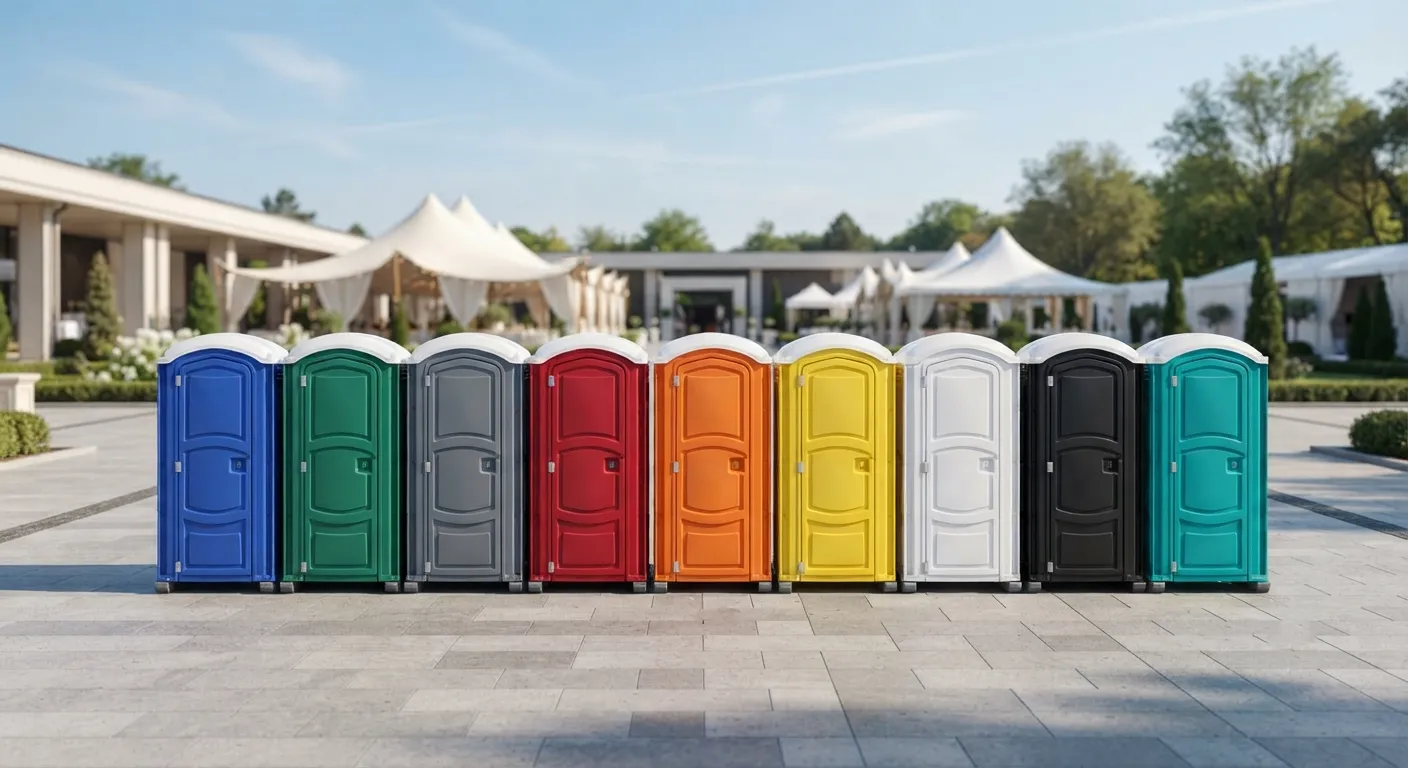
Start with attendance, then split it across gate hours. A one-day fair pulling 1,500 people needs more coverage than the same crowd spread over three days, because everyone hits the restrooms in the same afternoon window instead of trickling through. Brentwood Porta Pros sizes fairs off the how many porta potties do I need guide, then adds units for beer gardens and food courts, since those areas always run heavier than midway games or livestock barns. A standard portable toilet covers general foot traffic at a day rate between 100 and 350 dollars, and weekly rentals run 130 to 500 dollars depending on service frequency. For a multi-day county fair, the standard porta potty rental event rate of 200 to 800 dollars usually beats booking single days back to back. Every layout needs at least one accessible unit under ADA Standards section 213.2, which requires 5 percent of a cluster to be ADA units with never fewer than one. Brentwood Porta Pros pairs those with the ADA accessible porta potty line, built with a 60 inch turning circle per ADA Standards 304.3.1 and a 32 inch door opening under ADA Standards 404.2.3, so wheelchair users and stroller families both fit through without backing up traffic behind them.
Where should restrooms go on a fairground?
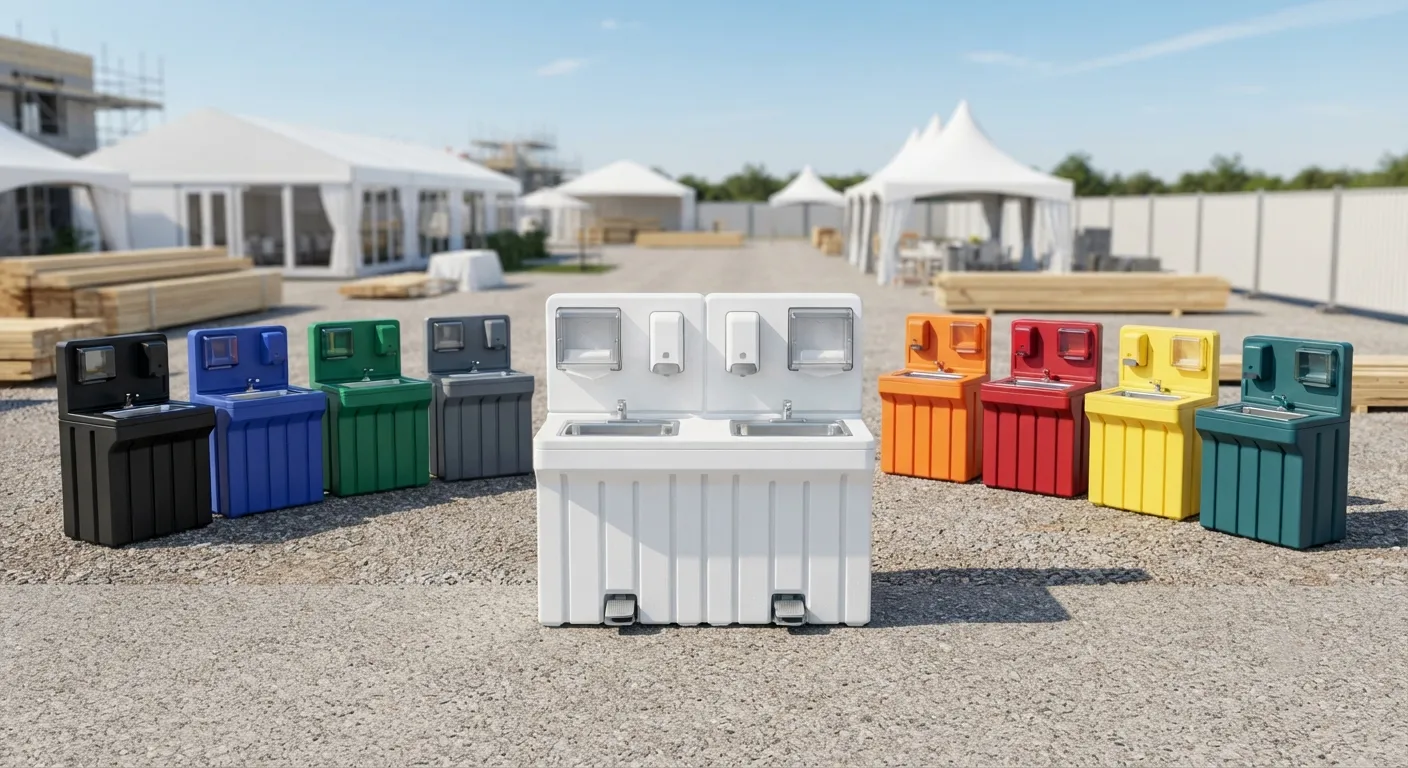
Restrooms belong near the heaviest foot traffic, not tucked behind the last row of vendor booths. Put clusters near the food court, the beer garden, and the midway entrance so nobody walks a quarter mile mid-fair. Delivery trucks need roughly 60 feet of straight clearance behind the unit to place tanks without backing across a crowded lot, which matters on fairgrounds already tight with vendor trailers and generator cords. Brentwood Porta Pros walks the porta potty placement guide with organizers before delivery day, checking ground slope, since ADA Standards 302.1 requires a stable, firm, slip-resistant surface under any accessible unit. Some organizers upgrade the beer garden and VIP area to the deluxe flushable porta potty line, priced 85 to 1,200 dollars a day depending on features, or bring in a restroom trailer rental for a more finished feel near sponsor tents. An 8 stall restroom trailer handles heavier gate counts better than scattered singles, since one trailer replaces several standalone units and cuts service stops. Fairs running food vendors also need handwashing station rental units near every booth, since 29 CFR 1910.141(d)(2) requires soap and towels or a hand-drying device, not sanitizer alone, anywhere food is handled.
Do county fairs need a permit for portable restrooms in Brentwood?
Placement in a public right of way or on fairground property still needs confirming with the Town of Brentwood before delivery, since permit rules vary by site and were not verified for this page. Fairgrounds on private land generally have more flexibility than street closures near Central Islip, 3.9 miles east, or events staged closer to North Bay Shore, 2.0 miles south. Brentwood Porta Pros pulls the layout plan and unit count together first, then confirms placement rules with the organizer's venue contact so nothing holds up load-in. The porta potty permit requirements page covers what to ask the town before signing a site contract, and the dumpster permit requirements page applies if the fair is also bringing in a roll-off dumpster rental for vendor waste and pack-out debris. Larger fairs often add temporary fence rental around generators and dumpster pads, since OSHA 1926.202 calls for barricades meeting ANSI D6.1 wherever the public could wander into a work area. A fair running past dusk should also look at light tower rental for the midway and restroom paths, since OSHA 1926.56(a) sets minimum illumination for work and gathering areas alike.
How far in advance should I book fair restrooms?
Book as soon as the gate estimate is set, ideally 60 to 90 days out for a multi-day county fair. Vendor trailers, restroom trailers, and fencing all compete for the same weekend slots. Late bookings still get served, but layout choices narrow fast.
What is the cost difference between standard units and a restroom trailer?
Standard units run 100 to 350 dollars a day; a restroom trailer runs 175 to 2,500 dollars a day depending on size and finish. Trailers cost more but need less real estate per stall and handle heavier lines better.
Do fairground restrooms need to be ADA accessible?
Yes. Under ADA Standards 213.2, at least 5 percent of any cluster of single-user units must be accessible, with never fewer than one. Fairs of any size need at least one ADA unit near the main gate or food court.
How often are fair restrooms serviced during a multi-day event?
Service frequency depends on headcount, but the baseline in ANSI/PSAI Z4.3 is one visit per week for up to 10 users over 40 hours. Fairground crowds run far above that, so Brentwood Porta Pros schedules multiple daily visits during peak days.
Can Brentwood Porta Pros handle food vendor handwashing requirements too?
Yes. Food booths need dedicated handwashing stations under 29 CFR 1910.141(d)(2), which requires soap and a drying method, not sanitizer alone. Ask about pairing portable sink rental units with your vendor row layout.
Next step
Get a delivery date
Tell us the address, the dates and the headcount. We size the order and confirm the route.