
How Many Porta Potties Do I Need for a Construction Site?
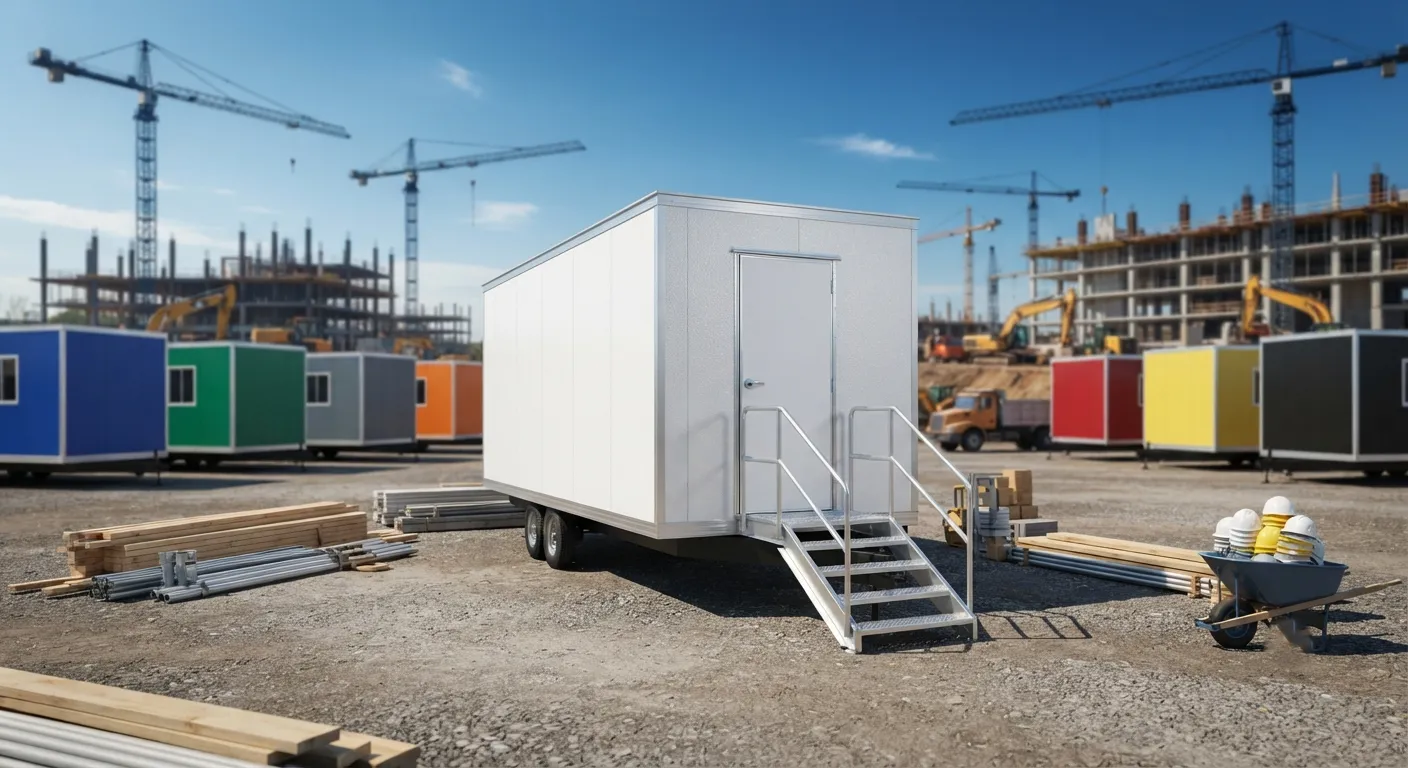
OSHA 1926.51(c) sets the baseline: 1 toilet facility for 20 workers or fewer. From 20 workers up to 200, you need 1 toilet seat and 1 urinal per 40 workers. At 200 or more, that ratio opens to 1 seat and 1 urinal per 50 workers. A 15-person framing crew still needs 1 unit. A 60-person site needs 2 units minimum, more if the crew works two shifts on the same lot. Brentwood Porta Pros prices standard porta potty rental by the day, week or month, so a short punch-list job and a six-month build get different math. If you are staging a large commercial project in Brentwood, run the numbers against OSHA portable toilet requirements before you order, and check construction site services for what else the site usually needs alongside toilets, like fencing and a wash station.
Worked Example: 45-Person Jobsite
Forty-five workers sit in the 20-to-200 bracket, so the ratio is 1 seat and 1 urinal per 40 workers. Round up: that is 2 combination units. Add a third if the crew splits across two building phases or the site spans more than an acre, since walk time counts against productive hours. A site in Brentwood running a 45-person crew for 6 months typically books monthly porta potty rental rather than daily, since the month rate holds steadier than paying by the day across that stretch. Pair the toilets with a handwashing station rental if any trade is applying paint, coating or adhesive, since that triggers OSHA 1926.51(f)(1) separately from the general toilet count.
How Many Porta Potties Do I Need for an Event?
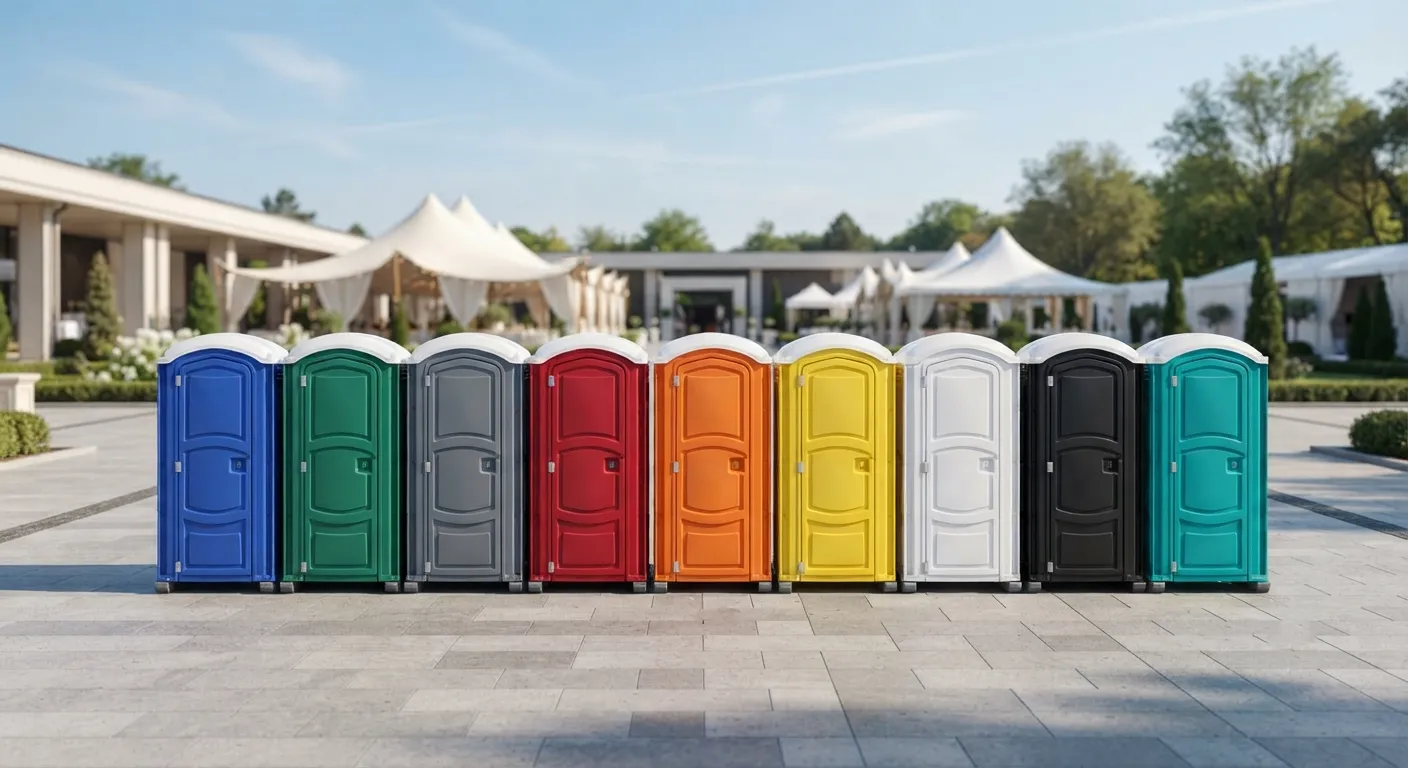
Events run on guests and hours, not headcount alone. A rough industry rule is 1 unit per 50 guests for up to 4 hours, then add units as hours or drinking increase. A wedding for 150 guests over 5 hours lands around 3 to 4 standard units, plus at least one ADA-accessible unit under ADA Standards 213.2, which requires 5 percent of clustered units be accessible with a floor of one unit regardless of how small the count is. Check event restroom rental for full event packages, or go straight to wedding restroom rental if that is the job.
| Guests | Event length | Units needed |
|---|---|---|
| 50 | 4 hours | 1-2 |
| 100 | 4 hours | 2-3 |
| 150 | 5 hours | 3-4 |
| 250 | 6 hours | 5-6 |
| 500 | 8 hours | 9-10 |
Add roughly one extra unit for every 2 hours past the 4 hour baseline, and one more per 100 guests if alcohol is served, since bar lines push bathroom lines.
Does Serving Alcohol Change the Count?
Yes. Alcohol increases bathroom visits and slows turnover at each unit, so add about 1 extra unit per 100 guests on top of the base ratio. A dry daytime fundraiser for 200 people might run fine on 4 units. The same 200-person guest list at an evening wedding with an open bar usually needs 5 to 6, plus consideration for a deluxe flushable porta potty near the reception tent if guests are dressed up and expecting something nicer than a standard unit. Multi-day festivals compound this further: each additional day without added servicing multiplies both usage and odor risk, so festival restroom rental plans typically add a mid-event pump-out rather than just doubling the unit count.
How Many Tons Does a Roll-Off Dumpster Hold?
This matters when the same jobsite needs debris removal alongside toilets, and the two get quoted together often enough that it is worth covering here. How many cubic feet are in a 10 yard dumpster? A 10 yard dumpster runs about 10 to 12 feet long and holds roughly 1,360 cubic feet of debris. A 20 yard dumpster runs close to 20 feet long, holds about 2,700 cubic feet, and typically carries 2 to 3 tons of mixed debris. So how many tons does a 20 yard dumpster hold? Usually 2 to 3 tons, as noted above. How many tons can a 30 yard dumpster hold, and how many tons does a 30 yard dumpster hold on a typical teardown? Figure 3 to 4 tons depending on material density, since brick and concrete weigh out faster than framing scrap. How many cubic feet are in a 40 yard dumpster? About 5,400 cubic feet, roughly double the 20 yard box. How many tons does a 40 yard dumpster hold? It carries the most volume of the standard sizes and commonly holds 4 to 5 tons before hitting a weight cap. Check dumpster sizes and dimensions for the full breakdown by footprint, and dumpster weight limits before loading anything dense like tile or shingles, since going over the cap adds a fee at the scale.
Where Should Units Go on a Brentwood Site?
Placement affects both the count and the service schedule. Units need a stable, firm, slip-resistant surface under ADA Standards 302.1, and any accessible unit needs a 60 inch turning circle in front of the door per ADA Standards 304.3.1. A roll-off delivery needs about 60 feet of straight clearance behind the truck, so a tight Brentwood lot may only fit units along the street frontage rather than deep in a yard. If the placement puts a unit in the public right of way, that needs confirming with the City of Brentwood directly, since right-of-way rules are not something to guess at. See the porta potty placement guide for surface and clearance details, and porta potty permit requirements for what to check with the city before delivery day.
Should I Order Extra Units for a Multi-Day Job?
Yes, if servicing cannot happen daily. A single unit holds a 60 to 70 gallon tank, and under ANSI/PSAI Z4.3 the baseline service interval is once a week for up to 10 users across a standard 40 hour week. A weekend festival with 300 people over 2 days will fill tanks far faster than that baseline, so either add units or add a mid-event service call. Brentwood Porta Pros can service more often than the standard weekly visit for high-traffic weekends; ask about it when you book through request a quote. For events with heavier per-day traffic than a typical jobsite, it is usually cheaper to add one more standard unit than to pay for an emergency mid-weekend pump.
What Does It Cost to Rent the Right Number of Units?
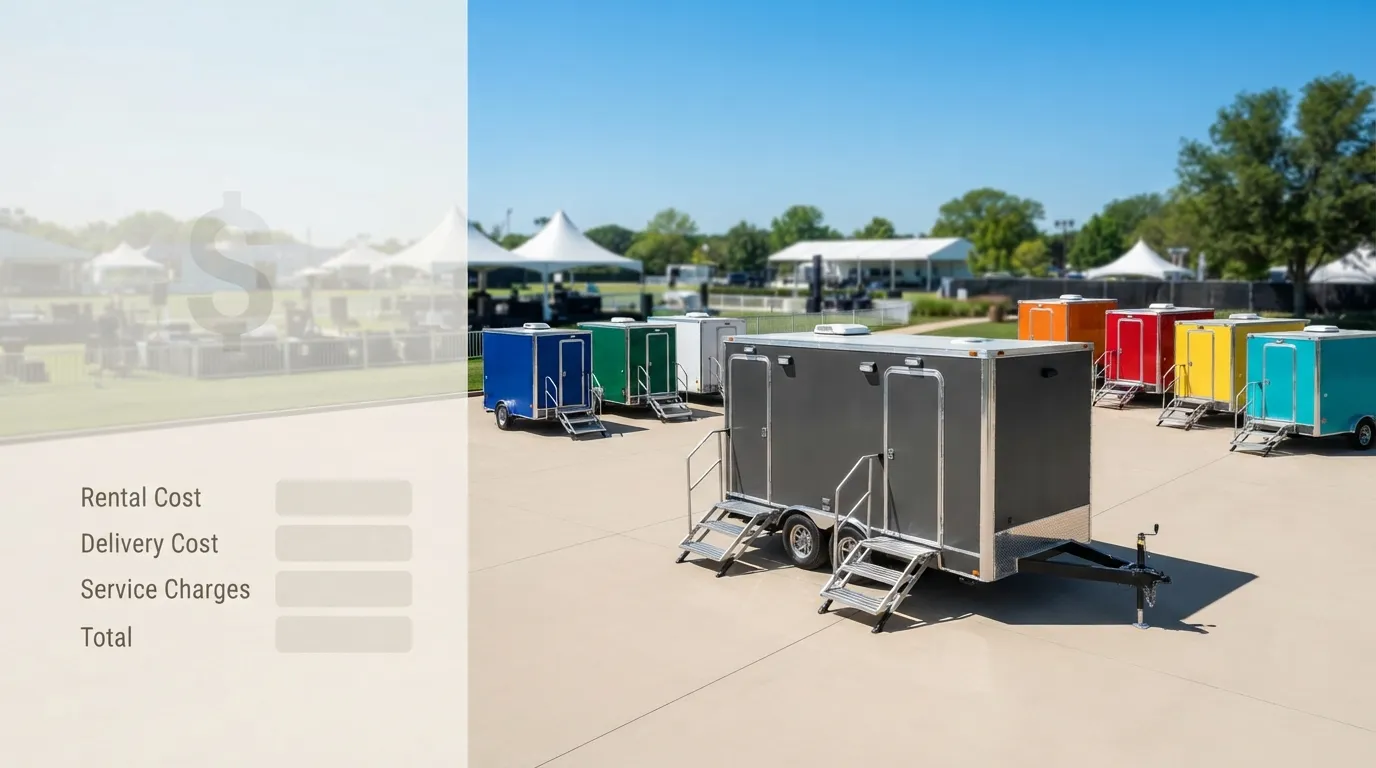
Cost scales with unit count and rental length, not just unit type. A standard unit runs in the range below by day, week or month; longer terms carry a lower rate per day even though the total is higher.
| Unit | Day | Week | Month |
|---|---|---|---|
| Standard | $100-$350 | $130-$500 | $125-$325 |
| ADA-accessible | $200-$400 | $240-$400 | - |
| Deluxe flushable | $85-$1200 | $150-$290 | - |
A weekend rate for a standard unit typically runs $125 to $400 and is usually the better fit for a Saturday event rather than booking a full week. Full pricing detail lives on porta potty rental cost and porta potty rental per day, with delivery handled separately, since porta john rental delivery fees depend on how far the site sits from Brentwood Porta Pros' yard. Sites in North Bay Shore, about 2.0 miles south, or Central Islip, roughly 3.9 miles east, usually see a shorter delivery window than a job out toward Smithtown, 6.7 miles north.
How many porta potties do I need for 100 people?
Plan for 2 to 3 standard units for a 4 hour event with 100 guests. Add a unit if alcohol is served or the event runs past 4 hours. Add an ADA-accessible unit under ADA Standards 213.2 regardless of headcount, since the accessible-unit rule applies even to smaller clusters.
How many porta potties do I need for a construction crew of 30?
One combination unit covers up to 20 workers under OSHA 1926.51(c); a 30-person crew needs 2 units minimum, since it falls in the 20-to-200 bracket requiring 1 seat and 1 urinal per 40 workers, rounded up.
How many cubic feet are in a 20 yard dumpster?
A 20 yard dumpster holds about 2,700 cubic feet and runs close to 20 feet in length. It is a common size for a Brentwood kitchen remodel or roof tear-off, and it typically carries 2 to 3 tons of debris before hitting a weight cap.
Do I need an ADA-accessible unit if I only have a few porta potties?
Yes. ADA Standards 213.2 requires at least 5 percent of clustered single-user units be accessible, with a floor of one unit no matter how small the total count is. Even a 2-unit event setup needs one accessible unit under that rule.
How often do porta potties get serviced during a multi-day event?
The baseline under ANSI/PSAI Z4.3 is once per week for up to 10 users over a standard 40 hour week. High-traffic weekend events usually need more frequent service than that baseline, so ask Brentwood Porta Pros about a mid-event pump when booking a multi-day festival or fair.
What is the difference between planning by worker count and planning by guest count?
Jobsite planning follows a fixed OSHA 1926.51(c) ratio tied to worker headcount. Event planning uses guest count against event hours, then adjusts upward for alcohol service and heat. The two methods produce different unit counts even at the same headcount.
Next step
Get a delivery date
Tell us the address, the dates and the headcount. We size the order and confirm the route.